


18 May It may be unfashionable to say, but Chardonnay IS the world’s greatest grape variety!
The origins of the variety are the stuff of myth; a native of Syria and brought back to France by Crusaders? Native to Cyprus? A wild cross of Pinot Blanc and Pinot Noir? Scientists at The University of California’s wine faculty Davis using DNA fingerprinting assert that Chardonnay is a wild cross of Pinot Noir and Gouais Blanc (a native of Croatia).
Whatever the origins, Chardonnay’s greatness is a testimony of its characteristics; it is like a well-behaved ‘first-former’; malleable, amenable and polite. In addition, it is easy to cultivate, hence the current worldwide plantings of half a million acres in every wine producing country and every climatic environment from cold (Chablis) to warm (Napa or South Australia). It is also the backbone of most premium sparkling wines from Champagne and Crémants to Franciacorta to Cape Classique even to some English Sparkling wines. It is also at home in a variety of soils from clay to chalk to limestone.
The variety in its natural state is not overtly aromatic, let’s call it a citrus/tropical fruit character, and so, as a result is much easier to like than varieties with strident, pungent characteristics such as Sauvignon Blanc or Riesling.
A hugely versatile grape, chardonnay can cover a wide spectrum of styles. As with all grape varieties, the end product is a function of yield and cellar treatment. High yields can give simple pleasant wines, but the greatest Chardonnay wines are those produced at low yields per vine and acre.
In the cellar, Chardonnay can be taken in many directions. Cool climate grapes with harsh acids can be softened with malolactic fermentation, by which, natural bacteria break down malic acid into the softer lactic acid, thus adding notes of cream and butter.
It can be fermented in inert stainless steel, or in casks. Oak fermentation allows the juice to draw in flavours from new or previously used oak casks (barrique or tonneau). The flavour compounds within the wood contribute the vanilla, caramel and coconut notes in the wine, and as barrels are charred or toasted in their production, a nutty or toasty character can be acquired.
Batonnage or ‘lees stirring’ feeds barrel fermented wines with flavours from decaying yeast solids contributing notes of bread and nuts.
Once bottled, if it has the acid structure, Chardonnay can age well and its natural citrus notes can go from fresh lemon all the way to tinned mandarin. Maturation also accentuates the tropical fruit notes such as those of guava, mango and pineapple.
Now you have had some background, how about some examples?
Cold climate, clay soil, stainless steel fermentation
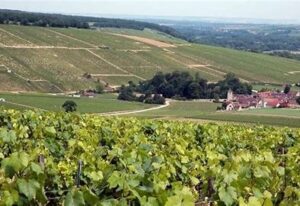
DOMAINE ALEXANDRE CHABLIS ,BURGUNDY, FRANCE
Domaine Alexandre is a family run operation that has passed to its third generation, Guy and Olivier, who operate the family’s 13 acres spread across towns Beines, La Chapelle, Vaupelteigne, and Villy Lignorelles. Domaine Alexandre’s Chablis is well-structured fresh, and fruity with notes of oyster shell, Citrus and coconut husk.
Moderate climate, partial barrel fermented and aged

DOMAINE BELLEVILLE RULLY LA CREE ,BURGUNDY, FRANCE
Domaine Bellville was founded in Rully at the beginning of the 20th century in the heart of wine-making Burgundy. Using Organic farming they have vineyards from Gevrey-Chambertin in the North to Mercurey in the South.
Nice pale gold robe appearance. Open and pleasant bouquet. Toasted and buttery aromas. In the mouth, with a touch of liveness, this wine is fat and rich with a nice toasted bread on the finish. Nice complexity.
Moderate climate, limestone soil, very low yield, barrel fermented and aged

DOMAINE CHRISTIAN BELLANG MEURSAULT ‘LES TILLETS’, BURGUNDY, FRANCE
‘Les Tillets’ is a small plot re-planted in 1965 by Domaine Bellang and is composed of limestone and clay. Low yields, barrel fermentation, with batonnage and oak ageing result in a broad and harmonious wine with notes of honey, mandarin, hazelnut and great mouth-filling texture.
Warm climate clay rich soil, barrel fermented and aged
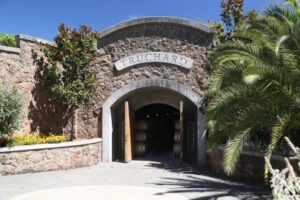
TRUCHARD CHARDONNAY CARNEROS, CALIFORNIA, USA
Produced from 30-50 year old vines and 100% barrel fermented, with batonage , partial malolactic fermentation and aging in barrel for 10 months (one third new). A classy and intense wine with a nose of pineapple and baked apple, and flavours of nutmeg, honeysuckle, fig and toasty oak.
Sorry, the comment form is closed at this time.